The fruit
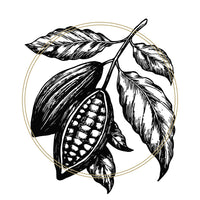
Cacao grows inside colourful pods on the cacao tree, surrounding the beans in a naturally sweet pulp.
Inside Cacao
Variety. Origin. Fermentation. Roasting. Cacao percentage. Craft.
They all influence what chocolate becomes.
And once you begin to understand cacao, chocolate becomes rather more interesting.

More than an ingredient
Cacao begins as a fruit growing on a tree. What happens next — from fermentation and drying to roasting and formulation — shapes flavour, aroma, texture and the finished chocolate.
The better we understand those stages, the less cacao looks like a generic brown commodity.
From pod to chocolate
Each one changes what eventually arrives in your cup.
Cacao grows inside colourful pods on the cacao tree, surrounding the beans in a naturally sweet pulp.
The beans themselves contain the components that will eventually become cacao mass and chocolate.
Fermentation is one of the crucial stages in developing cacao's flavour potential and reducing raw bitterness.
Drying reduces moisture and prepares the cacao for storage, transport and later roasting.
Roasting influences aroma, flavour and intensity, with different approaches producing very different results.
The roasted cacao is refined into the cacao mass, cocoa butter and finished chocolate we recognise.

Naturally present in cacao
This is where cacao becomes particularly interesting from a functional-wellness perspective.
A naturally occurring methylxanthine found in cacao and one of the compounds that makes cacao chemically distinctive.
Cacao naturally contains plant compounds that have been extensively studied, although levels vary with origin, processing and the finished chocolate.
Cacao naturally contains minerals including magnesium, iron and copper, with actual levels depending on the product and serving.
Cacao naturally contributes fibre, particularly as cacao content increases.
Cacao percentage changes the experience
Increasing cacao changes sweetness, intensity, aroma, bitterness, acidity and texture. The best chocolate is the one whose balance you enjoy.
A softer entry into high-cacao chocolate, balancing depth with a more rounded sweetness.
Greater cacao intensity, less sweetness and a richer, more grown-up expression.
No added sugar. Nothing softening the cacao itself. The deepest expression of the range.
Origin matters
Where cacao grows influences what it can become.
Geography, climate, genetics, fermentation and processing all contribute to flavour.
That's why cacao from Vanuatu, Papua New Guinea or the Solomon Islands does not simply taste like generic “dark chocolate”.
Fruit. Earth. Smoke. Treacle. Berries. Acidity. Depth.

Our approach
We don't begin with overwhelming sweetness and then try to make chocolate sound functional afterwards.
We begin with cacao.
Then we think about balance, sugar, texture, origin and how the chocolate will actually be enjoyed.
The cacao should still have something to say.

Know your chocolate
But once you begin to understand what sits behind the chocolate, you may never look at it quite the same way again.
Subscribe to our newsletter and be the first to receive our exclusive offers and 10% off your first order. Discover the transformative power of chocolate with us!

 English
 French
 German
 Italian
 Spanish